Installation of a vinyl fence around your property can significantly enhance both curb appeal and privacy. To ensure your project runs smoothly, you need to consider factors such as local regulations, proper fence placement, and the ideal materials for your environment. By strategically planning each step, you will avoid common pitfalls and achieve a beautiful, durable fence that complements your home. This guide will walk you through the important steps to make your vinyl fence installation a success.
Key Takeaways:
- Assess local regulations and obtain necessary permits before installation.
- Choose quality materials and a design that complements your property.
- Consider professional installation for optimal results and durability.
Understanding Vinyl Fencing
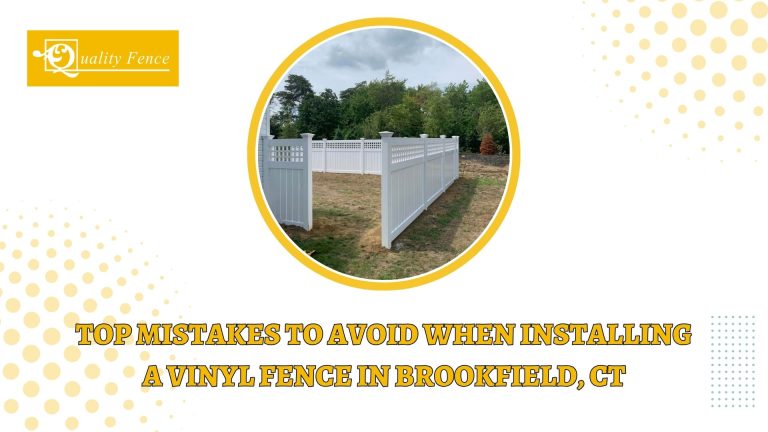
Vinyl fencing is an increasingly popular choice for homeowners looking to balance aesthetics with durability. Made from polyvinyl chloride (PVC), vinyl fences resist warping, fading, and cracking, making them ideal for the changing climates found in Brookfield, CT. The low-maintenance nature of vinyl, alongside its versatility in design, allows you to create the perfect enclosure that complements your home’s exterior.
Benefits of Vinyl Fencing
Choosing vinyl fencing offers numerous advantages, including its long lifespan and resistance to pests. Unlike wood, vinyl fences do not require staining or painting, saving you time and effort. They are also available in various styles and colors, allowing you to match your fencing design to your landscape. The durability of vinyl provides excellent security and privacy without the maintenance hassles associated with other materials. Thou shall enjoy your hassle-free fencing solution.
Types of Vinyl Fences
Vinyl fences come in several types to suit different needs and preferences. Common options include privacy fences, which provide complete visual blockage, and picket fences that enhance curb appeal while allowing visibility. Other types include ranch-style fences and ornamental designs. Each type can come in various colors and heights, giving you the flexibility to choose styles that fit your property’s aesthetics. Thou will find a design that perfectly meets your requirements.
| Type | Description |
| Privacy Fences | Solid panels that block visibility and provide seclusion. |
| Picket Fences | Decorative fences that offer some visibility while marking boundaries. |
| Ranch Style | Horizontal rails suitable for livestock control and open spaces. |
| Ornamental | Stylish designs that enhance aesthetics while providing limited security. |
| Vinyl Coated Chain Link | Durable chain link coated for a sleek appearance and rust protection. |
In addition to functional types, it’s vital to consider color options when choosing vinyl fences. Common colors include white, tan, and gray, with some manufacturers offering custom colors. With various styles available, whether you prefer a classic white picket or a contemporary privacy design, customizations are easily attainable. You have ample opportunity to transform your outdoor space while ensuring the durability only vinyl fencing can provide. Thou may feel empowered to make a choice that truly enhances your property.
- Custom Colors add uniqueness to your outdoor area.
- Durability ensures a long-lasting investment for your home.
- Low Maintenance emphasizes ease of care over time.
- Versatile Styles accommodate various aesthetic preferences.
- Environmental Resistance withstands harsh weather conditions effectively.
Planning Your Vinyl Fence Installation
Planning your vinyl fence installation begins with a comprehensive assessment of your property and understanding local regulations. This involves determining boundaries, considering design elements, and ensuring compliance with community standards. Creating a detailed plan will help streamline the process, avoiding potential issues during installation. Identify your goals for the fence, whether for privacy, security, or aesthetics, and gather necessary tools and resources to facilitate a smooth installation.
Assessing Your Property Lines
You must clearly identify your property lines before proceeding with your vinyl fence installation. Use a property survey or consult with a professional to ensure that your fence sits within your boundaries. Building over property lines can lead to disputes with neighbors and potential legal challenges. Taking accurate measurements helps avoid common pitfalls and sets a solid foundation for your project.
Obtaining Necessary Permits
Your local government or HOA may require permits for vinyl fence installations. Check with the Brookfield Zoning Office to learn about specific requirements that may influence your project timeline and cost.
Permits can vary significantly based on height, location, and design of the fence. In Brookfield, for instance, standard regulations may mandate minimum setback distances from property lines or specific height restrictions. Failing to obtain the proper permits can not only complicate your installation but may lead to penalties or the need to remove the fence. Always verify the regulations before proceeding to ensure a hassle-free experience.
Choosing the Right Vinyl Fence Design
Selecting the right vinyl fence design enhances your property’s aesthetics and functionality. Consider your primary goals—whether they are privacy, security, or simply decorative. You have numerous options, from classic picket styles to tall privacy panels that shield your backyard from prying eyes. Think about the overall theme of your home and neighborhood, as a cohesive design will boost curb appeal and potentially increase property value.
Styles and Colors
Vinyl fences come in an exciting array of styles and colors. Traditional white is popular, but options extend to shades like tan, gray, and even textured finishes that mimic wood. You can choose between horizontal or vertical paneling, while decorative elements like lattice tops and scalloped edges will give your fence a unique flair. Match colors to your home’s exterior for a harmonious look.
Customization Options
Customization options allow you to tailor your vinyl fence to your specific needs. Many manufacturers offer various height options and panel designs, enabling you to create a fence that perfectly fits your property. Additionally, you can select gates that match your fence style, add decorative caps, or integrate post lighting for added functionality and flair.
Choosing customization features not only reflects your personality but also enhances the fence’s usability. For example, opting for gates that are wider can facilitate access for larger equipment, while selecting colors that blend with your landscaping can create a seamless integration with your outdoor spaces. Some homeowners even incorporate additional elements, like built-in flower boxes or themed accents, to further personalize their fences and make a statement in their neighborhood.
Preparing for Installation
Proper preparation ensures a smooth vinyl fence installation process, minimizing delays and complications. Begin by reviewing local zoning laws and obtaining necessary permits to avoid fines and legal issues. Mark your property lines clearly to ensure the fence remains within your boundaries and consult with neighbors if shared spaces are involved. The clearer your plan, the easier the installation will go.
Tools and Materials Needed
Gathering the right tools and materials is important for a successful installation. You will need a tape measure, post hole digger, level, saw, and a power drill. Additionally, ensure you have enough vinyl fence panels, posts, gate hardware, and concrete mix for stability. Having these items on hand before you start will streamline the installation process.
Setting a Timeline
Establishing a realistic timeline for your vinyl fence installation is necessary for managing expectations. Depending on the size and complexity of the project, plan for a timeframe of three to seven days from preparation to completion. Be sure to consider weather conditions, as rain can delay outdoor work significantly, and coordinate help from friends or professionals if necessary.
Break down the timeline into specific tasks, such as site preparation, post installation, panel fitting, and final inspections. For instance, dedicating one day to clear the area and another to setting posts can help keep you on track. Including buffer days for unforeseen circumstances will help you avoid unnecessary stress and ensure you meet your goals without rushing the process.
Installation Process
Executing a successful vinyl fence installation relies on meticulous planning and attention to detail. You’ll need to gather the right tools and materials beforehand and follow a clear process to achieve the desired results. From setting the posts to attaching panels, each step is important for ensuring durability and stability in your fence.
Step-by-Step Guide
Step-by-Step Installation Process
| 1. Gather Tools and Materials | Post hole digger, level, measuring tape, and vinyl fence panels |
| 2. Mark the Layout | Define boundary lines and mark post locations |
| 3. Dig Post Holes | Use the post hole digger to create holes 30 inches deep |
| 4. Set the Posts | Insert posts and use a level to ensure vertical alignment |
| 5. Attach Panels | Secure vinyl panels to the posts using brackets |
| 6. Finishing Touches | Inspect gaps and secure any loose fittings |
Tips for a Successful Installation
To ensure a seamless installation process, pay attention to the details. Proper planning, accurate measurements, and communication with any assistants will greatly enhance your experience. Utilize a level throughout to maintain alignment, and double-check post depths and spacing.
- Use a strong level to ensure proper alignment
- Measure distances accurately to avoid gaps
- Communicate effectively with any helpers
Staying organized prevents confusion and errors during the installation. Familiarize yourself with the manufacturer’s guidelines and follow them closely for best results. Each post should be set firmly and checked at multiple stages of installation for maximum stability. Your attention here will significantly influence the overall appearance and durability of the fence.
- Follow manufacturer’s instructions to ensure durability
- Stay organized with your tools and materials at hand
- Check for stability regularly throughout the process
Maintenance of Vinyl Fences
Maintaining your vinyl fence ensures its longevity and appearance. Regular care can preserve the material’s integrity, allowing it to withstand the elements while looking new for years. Simple tasks, such as cleaning and inspections, can prevent minor issues from escalating into major repairs.
Routine Care
Your vinyl fence requires minimal upkeep. Regularly inspect for dirt, mud, or organic growth, then hose it down or wipe it with a mild soap solution. For tougher stains, a soft bristle brush can be used. Aim for bi-annual cleaning to keep your fence looking pristine.
Common Issues and Solutions
Although vinyl fences are quite durable, they can sometimes face problems like mold growth or fading. For mold, a mixture of bleach and water effectively removes it, while UV damage can be mitigated by applying a protective coating or choosing UV-resistant materials.
For mold growth, a simple solution consisting of one part bleach to three parts water can eliminate the issue without damaging the vinyl. In cases where fading occurs due to sun exposure, opting for high-quality UV-inhibiting vinyl during installation can prevent color loss. For minor cracks or chips, consider using vinyl repair kits widely available online or at home improvement stores. These kits usually include a compound that blends with the existing material, restoring your fence’s appearance effectively.
To wrap up
Planning and installing a vinyl fence around your Brookfield, CT home is an investment that enhances both beauty and functionality. By following a well-structured plan—covering property assessment, permit acquisition, design selection, and installation techniques—you’ll create a lasting structure that elevates your property’s value and appeal. Vinyl fencing offers the perfect blend of low maintenance, weather resistance, and timeless style, making it a top choice for Connecticut homeowners.
When you’re ready to bring your fencing vision to life, trust the local experts at Quality Fence, Inc.. With decades of fence contractor experience serving Fairfield County and surrounding areas, we specialize in professional vinyl fence installation designed to fit your home’s unique layout and style. Our team ensures precision, compliance with local codes, and a flawless finish that lasts for years.
Call Quality Fence, Inc. today or visit qualityfencect.com to schedule your free consultation—and discover why homeowners across Connecticut rely on us for quality, durability, and unmatched craftsmanship.