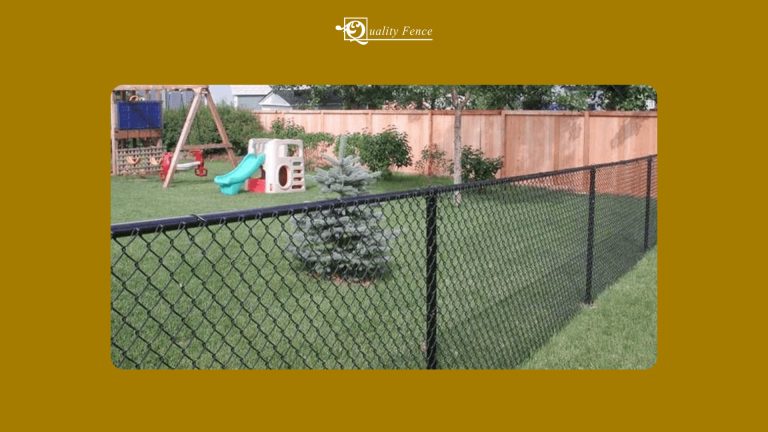
Many homeowners in Sherman, CT choose chain link fences; you should pick heights by use: 3-4 ft for young children, 4-5 ft for active dogs, and 6 ft for privacy and to deter intruders, and you must confirm local codes and secure gate latches.
Key Takeaways:
- 4-foot chain link fences suit most young children; 5 feet adds climbing resistance and peace of mind for slightly older kids.
- Dog height needs vary: 4 feet for small/low-jump dogs, 5 feet for medium breeds, 6 feet or higher for large or high-jump dogs; add anti-climb caps or extensions for escape artists.
- A 6-foot chain link with privacy slats or vinyl coating delivers good screening; check Sherman zoning and any HOA rules for front-yard height limits and permit requirements before installing.
Understanding Sherman, CT Zoning and Topography
Sherman zoning and varied topography mean you must factor setbacks, wetlands, and lot lines when planning a fence; violating setback or wetland rules can force removal, while slopes affect post spacing and material choice.
Local Permit Requirements and Height Restrictions
Check with Sherman zoning before installing; you may need a permit for fences over certain heights, and specific rules apply near roads and wetlands. Exceeding height limits risks fines or forced removal, so confirm allowed height and setback before ordering materials.
Managing Sloped Landscapes for Level Fence Lines
Slope changes require you to choose stepping or racking to keep panels level; using graded post lengths and angled cuts helps fit terrain. Poorly anchored posts on slopes can fail under pressure, so increase post depth and concrete for stability.
Use stepped panels for moderate grade and racking for gentle angles; set posts to frost depth, pour concrete footings, and add gravel for drainage. Steep runs may need terracing or a retaining wall, and you should angle gates for proper swing. Measure rise/run per section so you order correct panel sizes and post lengths.
Optimizing Fence Heights for Child Safety
Children benefit from fences that keep play areas contained without tempting climbs; you should aim for 4 feet in most yards, raising to 5-6 feet near pools or steep drops to reduce fall and drowning risks.
Standard 4-Foot Heights for Backyard Play Areas
Most backyards benefit from a 4-foot chain link for everyday play, giving you visibility and containment while keeping fence costs low; increase height near pools or climbing-prone structures to enhance safety.
Preventing Climbing with Mesh Gauges and Top Rail Security
Top measures like smaller mesh openings and a tamper-resistant top rail make it harder for children to climb, so you reduce fall risks and unauthorized access while preserving sightlines.
Installing tighter mesh and heavier-gauge wire reduces available footholds; you should pair this with a smooth, continuous top rail or tension wire to eliminate handholds. Use angled anti-climb extensions only if local codes allow, and avoid adding slats that create grips. Improper toppers or wide diamonds can increase fall risk, while secure rails and small openings deter climbing effectively.
Tailoring Enclosures for Dog Containment
You should match fence height to breed and behavior, noting jumpers and diggers; small breeds often suit 4-5 feet, while escape-prone dogs need taller barriers for safety.
4-Foot vs. 5-Foot Heights for Small and Medium Breeds
For many small and medium breeds you’ll find 4-foot fences sufficient, while 5-foot offers extra margin against enthusiastic jumpers; add a buried apron to reduce escape risk.
6-Foot Solutions for High-Jumpers and Large Breeds
Large high-jumpers and powerful breeds usually require 6-foot fencing to prevent escapes; you should consider inward-facing toppers or extensions to stop climbing and protect safety.
Consider 6-foot chain link with privacy slats, inward-angled toppers, and concrete footings to deter jumpers and prevent digging-related escapes. You should reinforce gates with high-grade latches, use a buried apron, and verify local codes so your enclosure stays compliant and maintains long-term safety.
Enhancing Privacy with Chain Link Systems
Privacy gains when you add screening and structural elements to chain link, letting you cut sight-lines while preserving airflow. Pick durable materials and pro installation to ensure long-lasting coverage that keeps kids and dogs safer.
Integrating Privacy Slats for Visual Barriers
Slats slide into the mesh to block views; you can pick colors and materials that resist UV and bending. Properly installed privacy slats offer immediate visual screening without reducing fence strength.
Utilizing 6-Foot Panels for Maximum Seclusion
Panels at six feet create a clear visual barrier, giving you substantial seclusion and noise reduction. Pair with top rails and secure posts for maximum privacy and pet containment.
Six-foot panels offer strong seclusion; you should confirm Sherman regulations before installing. Set posts in concrete with 8-10-foot spacing, use tension bands and a top rail, and add privacy slats or plantings to eliminate sight-lines and reduce climbing risks for kids and dogs.
Material Specifications for Longevity in Litchfield County
Materials selected for Sherman resist Litchfield County winters; you should opt for hot-dipped galvanized or heavy-gauge vinyl-coated chain link to prevent rust and reduce maintenance.
Galvanized vs. Vinyl-Coated Chain Link Durability
Galvanized finishes give you strong corrosion resistance, while vinyl-coated mesh provides extra UV and scratch protection; pick galvanized for cost-effective longevity or vinyl-coated for added aesthetics.
Post Diameter and Footing Depth for New England Winters
Posts should be 2-3/8-inch for terminals and 1-5/8-inch for line posts, and you must set footings below frost at about 42 inches to avoid freeze-thaw heaving.
Concrete around posts should be poured in a 6-12 inch diameter hole with a 4-6 inch gravel base; you should use a 3000 psi mix and tamp to remove voids. Allow the top of the concrete to slope away from the post and finish slightly below grade so water drains; if you have heavy winds or active dogs, use 2-3/8-inch terminal posts and consider deeper footings. Set embedded rebar or use a sonotube for extra strength and let cure 48-72 hours before attaching the fence.
Professional Installation Standards
Contractors follow local codes, setting posts to proper depths and concrete mix so you get a fence that lasts. Ensure they use correct post spacing, proper post depth, and corrosion-resistant materials to avoid structural failure and costly repairs.
Precise Tensioning and Gate Alignment
Tension on the mesh and gate alignment determine security and safety for your children and pets. You should expect installers to deliver uniform tension and square gates to prevent sagging, pinch hazards, and escape routes.
Ensuring Property Line Accuracy and Neighbor Relations
Survey the boundary lines before work begins so you avoid legal disputes; you should require a marked survey and written agreement. Contractors must respect property lines and notify you about potential encroachments or permit needs.
Coordination with a licensed surveyor and a pre-install meeting with adjacent homeowners protects you from disputes. You should ask for a stamped survey, flagged corners, and a written boundary agreement; keep copies. If boundaries are unclear, delay work until you obtain a survey to avoid costly legal disputes, fence removal, or permit violations. Consider municipal review or mediation before construction to preserve your property rights and good neighbor relationships.
To wrap up
The best residential chain link fence height in Sherman, CT depends on what you’re trying to protect. Most families do well with a 4-foot chain link fence for young kids and everyday backyard boundaries, while 5-foot chain link fencing adds extra security for older children and more energetic pets. If you’re containing larger dogs, dealing with jumpers, or you want a stronger deterrent, a 6-foot chain link fence installation in Sherman, Connecticut is usually the sweet spot—and you can boost screening with privacy slats or choose vinyl-coated chain link for a cleaner look and better weather resistance. No matter the height, long-term performance comes from correct post depth for freeze-thaw conditions, tight fabric tension, and secure gate latches that prevent gaps and escapes.
If you want it done right the first time, Quality Fence, Inc. can help you choose the right height, gauge, coating, and gate setup for your yard and your needs. We handle residential chain link fence installation in Sherman, CT with an emphasis on safety, code compliance, and durable construction that stands up to New England seasons. Reach out to Quality Fence, Inc. for a site visit and a clear quote—so your new Sherman CT chain link fence keeps kids in, pets safe, and your property protected.